
Tratos has in place standards and policies to firstly measure the CO2 emissions, then reduce the CO2 emissions and lastly to mitigate their impact. It continuously works to improve its performance in bringing greener, cleaner and accessible solutions to every industry sector it manufactures for, from ports and marine to mass transit and communications. Read more


Innovative cable manufacturer Tratos is a leader in Electrical, Electronic and Fibre Optic cable technology. It serves worldwide markets, creating bespoke solutions where necessary and manufacturing to an exceptionally high standard.
Tratos Cables Families



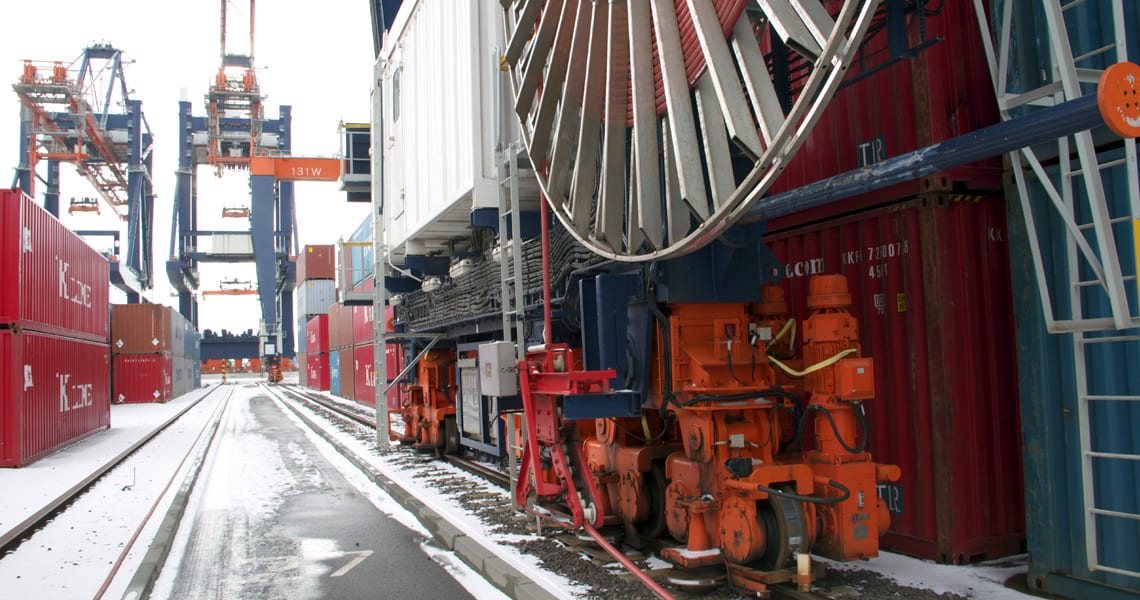


Innovative Electrical, Electronic and Fibre Optic cables
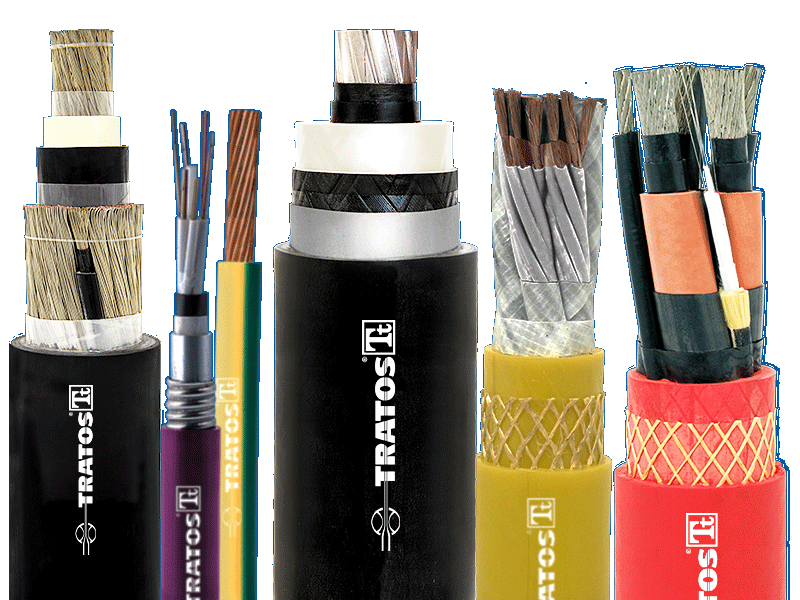
Cable manufacturer since 1966, Tratos manufacture either traditional electrical and fibre optic cable cables for energy, telecommunication, and any different application, then innovation, as superconductors using on Fusion For Energy, Cernt of Ginevra, or special cable for unique world project. Tratos cables for a moving world.
 Tratos news
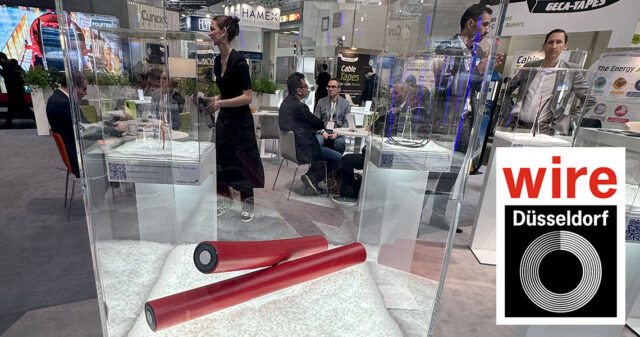
Tratos Pioneers Sustainable Innovation in the Energy Industry with Bornewables at "The Wire" Trade Fair

Tratos participates in the round table on Fusion Energy
On February 19, 2024, scientists from [...]
Offshore Cable Innovation: ENI project - Mexico Area 1 Development Phase 2
In the realm of offshore energy, [...]

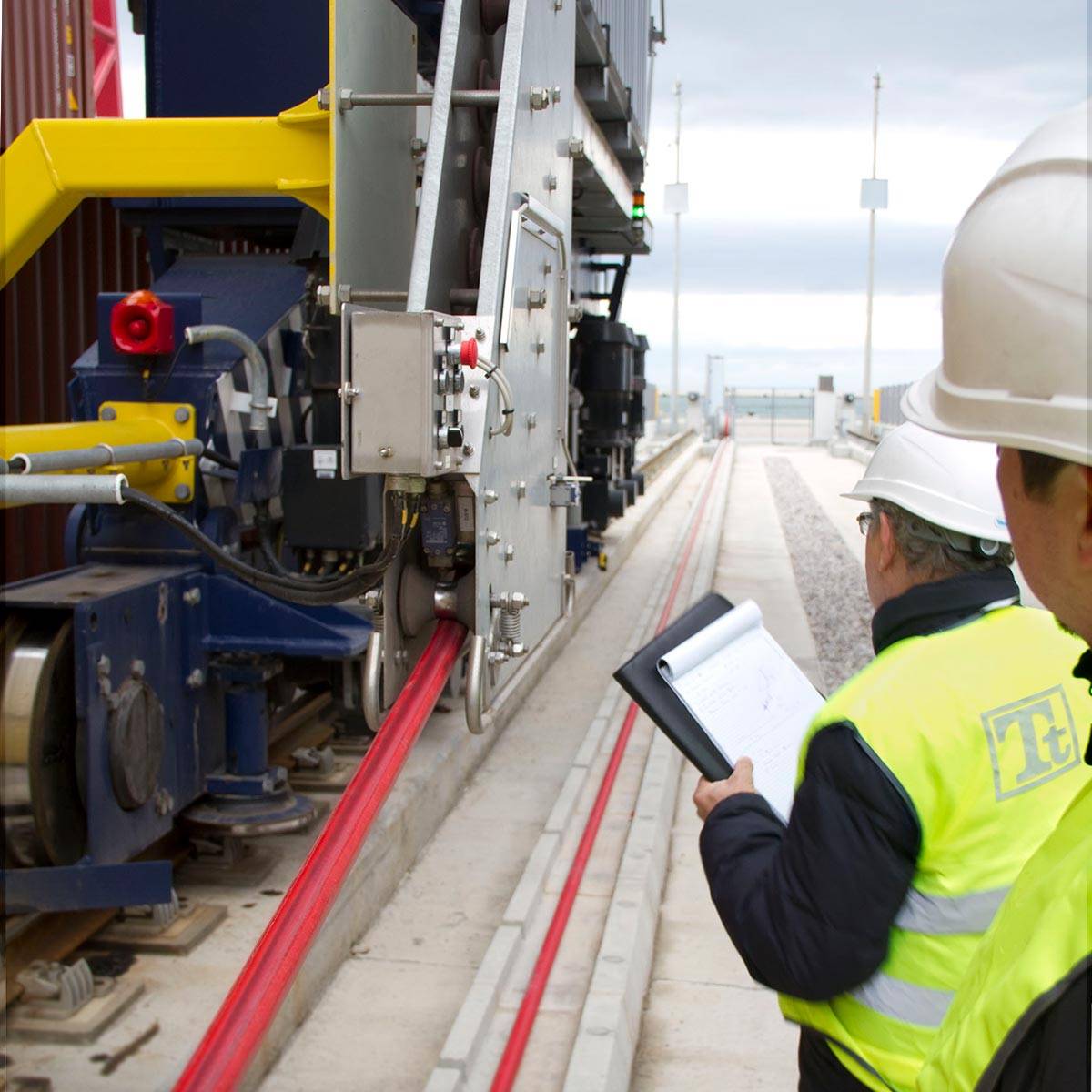
Tratos books major orders for state-of-the-art greenfield automated crane terminals
Tratos, with more than 50 years [...]
AENOR Italia and Tratos Group, Partners in Progress
The bond of #synergy and mutual [...]
Newsletter Subscription
Subscribe to our newsletter and stay updated on the latest developments.
Subscribe
Company Profile
TRATOS CAVI S.p.a., the acronym of TRAfilerie TOScane, was founded in 1966 by Mr Egidio Capaccini, an Engineer in Pieve Santo Stefano in the province of Arezzo. Initially dedicated to drawing copper, the company extended its working horizons by successfully starting the production of electrical and telecommunications cables. In 1974 Albano Bragagni joins the company. By implementing a challenging set of investments, he initiates a process of technological growth and product diversification, entering new and qualified sector markets. Subsequently, with the establishment of new industrial and commercial companies, an integrated industrial group is created and controlled by the holding company TRATOS S.r.l. run by the Bragagni Capaccini family comprising four members: Albano Bragagni, Marta Capaccini, Elisabetta and Ennio. Thanks to these technical-commercial upgrades carried out over the years, today, this technologically advanced structure is at the forefront of the world of energy and telecommunications and operates in selected sectors with products of the highest quality. Read more
Sustainability report
Tratos is totally involved in the overall project of strengthening the network to achieve the net zero target by developing all alternative energies and upgrading and constructing medium—and high-voltage networks.
- Bilancio di Sostenibilità – Scarica il file in Italiano (Italian version of Tratos Sustainability Report)
- Sustainability Report – Download the English version
Tratos, as a cable manufacturer, carries out environmental and social initiatives with a particular focus on health, security, fair working hours, wages and disciplinary procedures, freedom of association and the right to collective bargaining. We have a zero-tolerance policy towards discrimination and forced or compulsory labour. It is Tratos’ belief that ethical business conduct is also a condition for a firm’s success.
Tratos works sustainably and in the most environmentally friendly way possible. A good proportion of our own research and development is devoted to how we can further improve the green credentials of our cables. We have been a green company for well over a decade. Today this is something that our clients expect and value, and we’re delighted about that. Read more
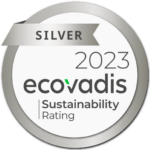 Sustainability innovator and independent cable manufacturer Tratos has been awarded a Silver Medal, placing it among the 25% of highest-placed companies scrutinised by the eco-ratings platform. Ecovadis is the world’s largest provider of business sustainability ratings, with a global network of more than 75,000 rated companies. Cable manufacturer Tratos launched its sustainability strategy earlier this year, the result of years of innovating greener business practices; from manufacturing longer-lasting, greener and recyclable cable to ensuring packaging is made from recycled materials. Tratos offsets its own CO2 and operates sustainable delivery and inventory practices through its supply chain to offer clients sustainability advantages. READ MORE…
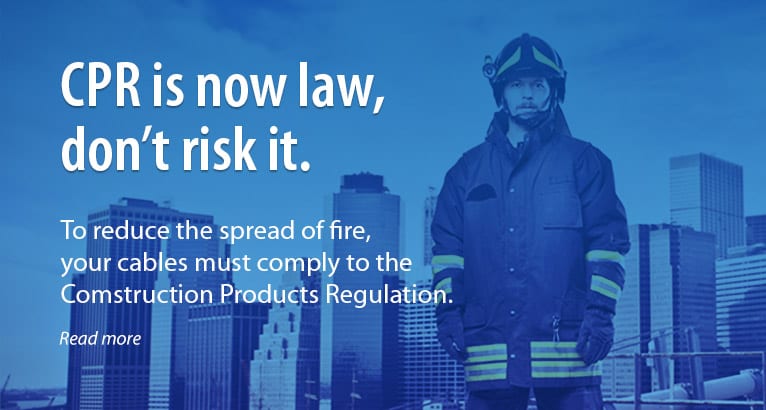
CABLES MANUFACTURED RANGE:
IN EVIDENCE
 Tratos Cable Academy – What is voltage rating?
One of the most fundamental ratings assigned to an electric cable is that of voltage rating. The rated voltage of a cable is the reference voltage for which the cable is designed and which serves to define the electrical tests. In this article, our experts answer questions like: “which are the recognised voltage ratings in Europe and elsewhere”, “how Low Voltage, Medium Voltage, High Voltage are generally classified” etc. Read more
 Tratos Cable Academy – Polymeric materials for cables insulation and sheath
Many different polymeric materials are used today to manufacture the vast array of electric cables available in the marketplace. It is, therefore, important that users have a basic understanding of the various polymeric materials used to assist them in selecting the correct cable to suit their particular application. Read more

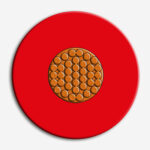 Tratos Cable Academy – What is a Tri-Rated Cable?
The concept of Tri-Rated cable is that of a single core, PVC insulated cable that in the UK is described by British Standards as switchgear and control gear wiring, (BS 6231), in the USA as Appliance Wiring Material (AWM) by Underwriters Laboratories (UL 758) and in Canada as Equipment and Lead Wires (TEW) by Canadian Standards Association – (CSA C22.2 No 127) Read more
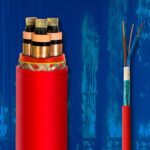 Tratos Cable Academy – Flame Retardant and Fire Resistant Cables
Flame retardant cables are designed to resist fire spread into a new area. Fire-resistant cables are designed to maintain circuit integrity and continue to work for a specified period of time under defined conditions. Both have an important part to play in preserving the integrity of the environment during a fire incident and improving the chances of escape and survival. Read more
 Tratos Cable Academy – The Benefits of Buying Directly from a Cable Manufacturer
The importance of buying directly from cable manufacturers cannot be overrated! Historically, cable manufacturers did not have a financially viable way of getting products to customers, so the role of a distributor was necessary. Cables distributors, or wholesalers, worked as the “middleman” between manufacturers and customers. Read more